Introduction: Embracing the Journey of Aging Gracefully
As we journey through life, one inevitable destination awaits us all - aging. The process of growing older brings with it a myriad of changes and challenges, both physical and emotional. However, with the right approach and mindset, aging can be embraced as a beautiful chapter filled with wisdom, growth, and vitality. In this article, we will explore the concept of aging gracefully through a holistic approach to senior care. We will delve into various aspects of senior care that encompass not only physical well-being but also emotional, mental, and spiritual aspects. So let's embark on this enlightening journey together and discover how to embrace the process of aging gracefully.
Section 1: Understanding Holistic Senior Care
What is Holistic Senior Care?
Holistic senior care is an approach to caregiving that recognizes the interconnectedness of a person's physical, emotional, mental, and spiritual well-being. It goes beyond simply addressing the physical senior care https://www.homeaidehomecare.com/ needs of seniors and encompasses their overall quality of life. By taking into account all aspects of a person's being, holistic senior care aims to promote wellness, independence, and fulfillment in their golden years.
The Benefits of Holistic Senior Care
By adopting a holistic approach to senior care, numerous benefits can be experienced by both the seniors themselves and their caregivers. These benefits include:

Improved overall well-being: By addressing all dimensions of wellness, seniors can experience enhanced physical health, emotional stability, mental clarity, and spiritual fulfillment.
Increased independence: Holistic senior care focuses on empowering seniors to maintain their independence for as long as possible through personalized care plans that cater to their unique needs.
Enhanced quality of life: A holistic approach ensures that seniors are able to engage in activities they enjoy, maintain meaningful relationships, and find purpose in their daily lives.
Prevention and management of chronic conditions: By taking a proactive approach to health, holistic senior care can help prevent the onset of chronic conditions or manage existing ones more effectively.
Section 2: Physical Well-being in Senior Care
Nutrition and Healthy Eating Habits
Proper nutrition plays a crucial role in maintaining optimal physical health in seniors. As we age, our nutritional needs may change, and it becomes essential to focus on nutrient-dense foods that support overall well-being. Here are some key considerations for promoting healthy eating habits in seniors:
Adequate nutrient intake: Seniors should aim to consume a balanced diet that includes a variety of fruits, vegetables, whole grains, lean proteins, and healthy fats to meet their nutritional needs.
Hydration: Staying hydrated is vital for seniors as dehydration can lead to various health issues. Encourage seniors to drink an adequate amount of water throughout the day.
Portion control: Seniors may have reduced appetites or slower metabolisms, so portion control is important to prevent overeating or undereating.
Special dietary considerations: Some seniors may have specific dietary restrictions or conditions that require modifications to their diet. It's important to work with healthcare professionals or nutritionists to ensure individual needs are met.
Exercise and Physical Activity
Regular exercise and physical activity are essential for maintaining strength, balance, flexibility, and overall physical well-being in seniors. Here are some tips for incorporating exercise into a senior care routine:
Consult with healthcare professionals: Before starting any exercise program, it's crucial for seniors to consult with their healthcare providers to ensure they engage in activities that are safe and suitable for their individual capabilities.
Choose low-impact exercises: Gentle exercises such as walking, swimming, tai chi, or yoga can be beneficial for seniors as they provide cardiovascular benefits without placing excessive strain on joints.
Strength training: Incorporating light strength training exercises using resistance bands or light weights can help seniors maintain muscle mass and bone density.
Balance and flexibility exercises: Seniors should also focus on exercises that improve balance and flexibility to reduce the risk of falls and maintain mobility.
The Importance of Regular Health Check-ups
Regular health check-ups are essential for identifying potential health issues early on and ensuring that seniors receive appropriate medical care. Here's why regular health check-ups are crucial:
Early detection of health problems: Regular check-ups allow healthcare professionals to monitor seniors' health status, identify potential issues, and take necessary preventive measures or treatments.
Medication management: Healthcare providers can review seniors' medications, assess their effectiveness, and make any necessary adjustments to ensure optimal medication management.
Prevention and screening: Check-ups often include various screenings and tests to detect conditions such as high blood pressure, diabetes, cancer, or osteoporosis in their early stages when treatment is most effective.
Continuity of care: Regular check-ups enable healthcare providers to establish a long-term relationship with seniors, ensuring comprehensive care that takes into account their unique needs and medical history.
Section 3: Nurturing Emotional Well-being in Senior Care
The Impact of Social Connections
Social connections play a vital role in promoting emotional well-being among seniors. As we age, maintaining meaningful relationships becomes even more important. Here are some ways to nurture social connections in senior care:
Encourage participation in social activities: Engaging in group activities or joining clubs or organizations geared towards seniors can provide opportunities for social interaction and foster a sense of belonging.
Technology as a tool for connection: Technology can be utilized to bridge the gap between seniors and their loved ones who may be geographically distant. Video calls, social media platforms, or online communities can help seniors stay connected with family and friends.
Support groups: Support groups tailored to specific interests or conditions can provide a safe and supportive environment for seniors to share their experiences, gain insights, and build connections with others facing similar challenges.

Mental Stimulation and Cognitive Health
Maintaining mental sharpness is crucial for seniors to maintain cognitive health and overall well-being. Here are some strategies to promote mental stimulation in senior care:
Brain exercises: Engaging in activities that challenge the brain, such as puzzles, crosswords, reading, or learning new skills, can help seniors keep their minds sharp.
Lifelong learning: Encourage seniors to pursue educational opportunities or engage in hobbies that stimulate their intellect and creativity.
Social engagement: Regular social interaction and engaging conversations can stimulate the brain and enhance cognitive function.
Technology-based brain training: There are various apps and online platforms specifically designed to improve cognitive function through interactive games and exercises.
Section 4: Nurturing Spiritual Well-being in Senior Care
Exploring Spirituality
Spirituality plays a significant role in many people's lives, regardless of age. Nurturing spiritual well-being is essential for seniors as it provides a sense of purpose, comfort, and connection. Here are some ways to support spiritual well-being in senior care:
Open conversations: Encourage open dialogues about spirituality and provide a safe space for seniors to express their beliefs, values, or concerns.
Engage in religious or spiritual practices: If applicable, assist seniors in participating in religious services or rituals that hold personal significance to them.
Nature and mindfulness: Spending time in nature or practicing mindfulness techniques can help seniors connect with a sense of spirituality and find solace in the present moment.
Volunteer work: Engaging in volunteer activities that align with seniors' values can provide fulfillment by giving back to the community and connecting with others who share similar passions.
FAQs
Q1: What is the holistic approach to senior care?
A1: The holistic approach to senior care recognizes the interconnectedness of a person's physical, emotional, mental, and spiritual well-being. It aims to address all dimensions of wellness to promote optimal quality of life for seniors.
Q2: How does nutrition impact senior care?
A2: Proper nutrition is crucial for maintaining physical health in seniors. It supports overall well-being, prevents chronic conditions, and promotes vitality and independence.
Q3: What are the benefits of regular exercise for seniors?
A3: Regular exercise helps seniors maintain strength, balance, flexibility, and overall physical well-being. It reduces the risk of falls, improves cardiovascular health, and enhances overall quality of life.
Q4: Why are social connections important for seniors?
A4: Social connections promote emotional well-being among seniors by reducing feelings of loneliness and isolation. They provide a sense of belonging, support, and purpose in their golden years.
Q5: How can spirituality contribute to senior care?
A5: Nurturing spiritual well-being provides seniors with a sense of purpose, comfort, and connection. It can enhance their overall quality of life and provide solace during challenging times.
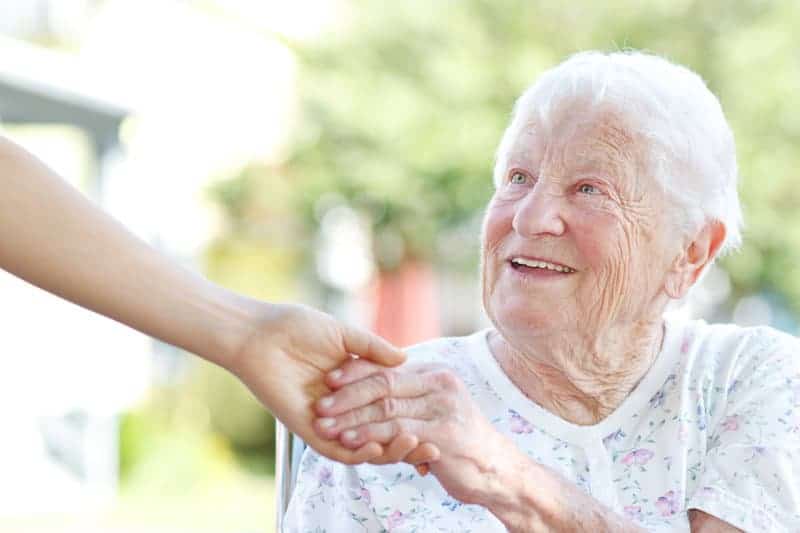
Q6: How can caregivers support holistic senior care?
A6: Caregivers can support holistic senior care by adopting a person-centered approach that takes into account all aspects of a senior's well-being. This includes addressing their physical, emotional, mental, and spiritual needs through personalized care plans.
Conclusion: Aging Gracefully Through Holistic Senior Care
In conclusion, aging gracefully is not just about growing older; it's about embracing the journey with a holistic approach to senior care. By focusing on physical well-being through proper nutrition and exercise, nurturing emotional connections and mental stimulation, as well as supporting spiritual growth, seniors can experience a fulfilling and vibrant chapter in their lives. Caregivers play an essential role in providing holistic senior care by acknowledging the interconnectedness of all aspects of well-being and tailoring care plans accordingly. So let us strive to embrace the process of aging gracefully, recognizing it as a treasure trove of wisdom, growth, and endless possibilities.